Water damage restoration in San Diego, CA.
Find practical guidance for leaks, water extraction, drying, mold and sewage cleanup, and prepare questions for a qualified professional.
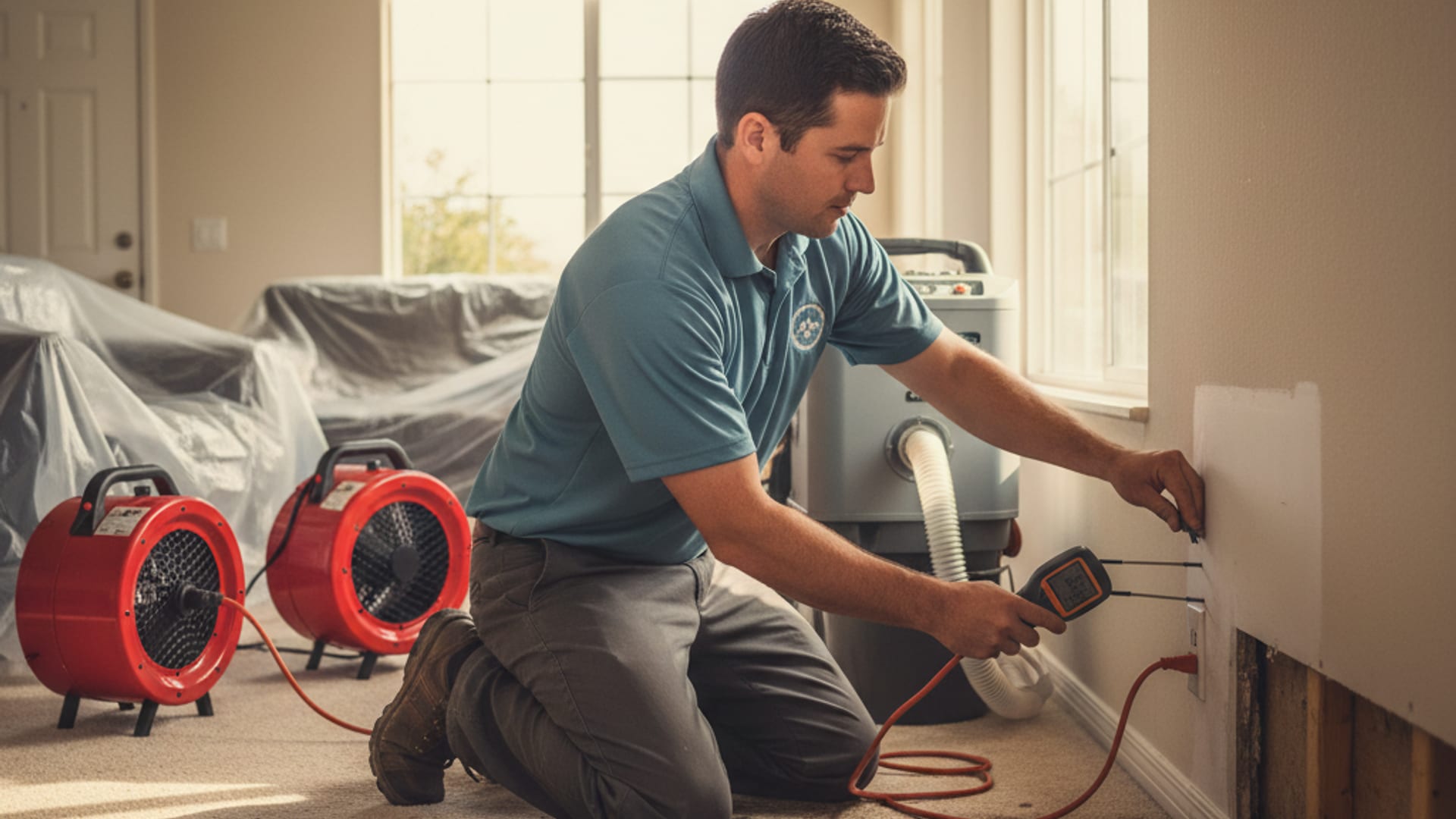
What kind of water damage are you dealing with?
A supply leak, sewage backup, or flood can affect a property in different ways. Explore the relevant topic and ask a qualified professional how the source and wet materials should be assessed.
Water Damage Restoration
A leak, overflow, or flood can leave moisture beyond the water you can see. Start by finding and stopping the source when it is safe, then ask a restoration professional to assess the affected areas.
Learn moreEmergency Water Extraction
Standing water after an overflow or broken supply line can spread into adjacent rooms and beneath flooring. Extraction removes accumulated water; the wet materials left behind may still need evaluation and drying.
Learn moreFlood Damage Cleanup
Water entering from outdoors can carry debris and contaminants into a building. A cleanup plan starts with safe access and understanding where the water came from, not simply removing the visible water.
Learn moreMold Remediation
Visible growth or a persistent damp area calls for attention to the moisture source as well as the affected material. A mold assessment should identify the conditions that need to be corrected before repairs are closed up.
Learn moreSewage Cleanup & Sanitization
A backed-up drain or toilet overflow may expose a room to contaminated water. Keep people and pets out of the affected area and ask for help from a professional experienced with sewage cleanup.
Learn moreStructural Drying
After the water source is stopped and standing water is addressed, wet building materials may need drying and monitoring. The plan depends on the material, the extent of the moisture, and the source of the water.
Learn moreBurst Pipe Cleanup
A broken pipe or supply line can release water into floors, wall cavities, and rooms below. The immediate priorities are safe source control and a clear division between plumbing repair and water damage cleanup.
Learn moreCeiling Water Damage Repair
A ceiling stain, drip, or sag may point to water above the room. The source could be plumbing, an appliance, a roof, or another opening, so the next step is to locate it without placing anyone beneath a compromised ceiling.
Learn moreBasement Flood Cleanup
Water collecting in a basement, lower level, or crawlspace may come from plumbing, surface water, or another source. Understanding how it entered helps determine both cleanup needs and the repair needed to prevent continued water entry.
Learn moreCarpet Water Extraction
A wet carpet can hold water in the carpet, its pad, and the material underneath. The source of the water and the condition of each layer matter when deciding what can be cleaned and dried.
Learn moreStorm Damage Restoration
Wind-driven rain or water entering through a damaged roof, window, or other opening can affect more than the first visible stain. The property needs a safe assessment and a plan to stop further entry before interior repairs.
Learn moreFire and Water Damage Restoration
After a fire, water used to put it out can affect a home and its contents alongside fire and smoke damage. Entry and cleanup should begin only when the responsible authorities say the property is safe.
Learn moreWhat should you discuss before work begins?
Start with the source of the water and any immediate hazards. Then ask how the property will be assessed, what work is proposed, and who is responsible for each part.
- Start with safety. Stay away from electrical hazards and contaminated water.
- Identify the source. Ask who will stop or repair the leak and assess the affected areas.
- Understand the scope. Request a written explanation of cleanup, drying and any separate repair work.
- Ask about follow-up. Find out how moisture will be checked and when rebuilding can begin.
Where can you find local water damage information?
Browse community guides for public resources and questions to ask about your particular address. A location guide does not confirm professional availability.
Water damage at your home or business?
Explore the guides and prepare questions for an independent water damage professional.
What do homeowners ask about water damage in San Diego?
These answers cover immediate safety, damage assessment, drying, and insurance questions. A professional can evaluate the conditions at your property.
All FAQsWhat should I do first after a water leak?
Avoid electrical hazards and do not enter an unsafe area. If you can reach the water shutoff safely, stop the source and arrange an assessment.
What if the water may contain sewage?
Keep people away from contaminated water and ask a professional experienced in contaminated-water cleanup to assess it.
Will insurance cover the damage?
Coverage depends on your policy and the cause of the loss. Ask your insurance carrier about your situation.
Can wet flooring or drywall be saved?
The answer depends on the water source, material and extent of moisture. Ask a qualified professional how they will inspect and assess the affected materials.
How long will drying take?
The time depends on the materials, moisture and conditions. Ask how progress will be measured and what will happen before repairs.
Guides for the hours after a leak
Explore resources for assessing damage and preparing for conversations about cleanup, repairs, and insurance.
Preparing for a water damage assessment
Learn what details to gather safely before discussing the affected rooms and materials with a professional.
Read the guide InsuranceDocumenting water damage
Document damage from a safe place and ask your insurer about coverage, documentation, and next steps under your policy.
Browse articles MoldMoisture and cleanup
Learn why the source of moisture and the condition of affected materials matter when discussing cleanup.
Browse articles GuidesArticle library in preparation
New articles on cleanup decisions and questions for an assessment are being prepared.
Browse guides NewsWater damage news
Visit the news page for updates when articles are available.
See latest ResourcesHomeowner resources
Find safety information and questions to help you decide when to seek professional assistance.
Explore resources