Water damage service guides
Explore cleanup and restoration topics, from burst pipes to mold, and prepare questions for an independent professional.
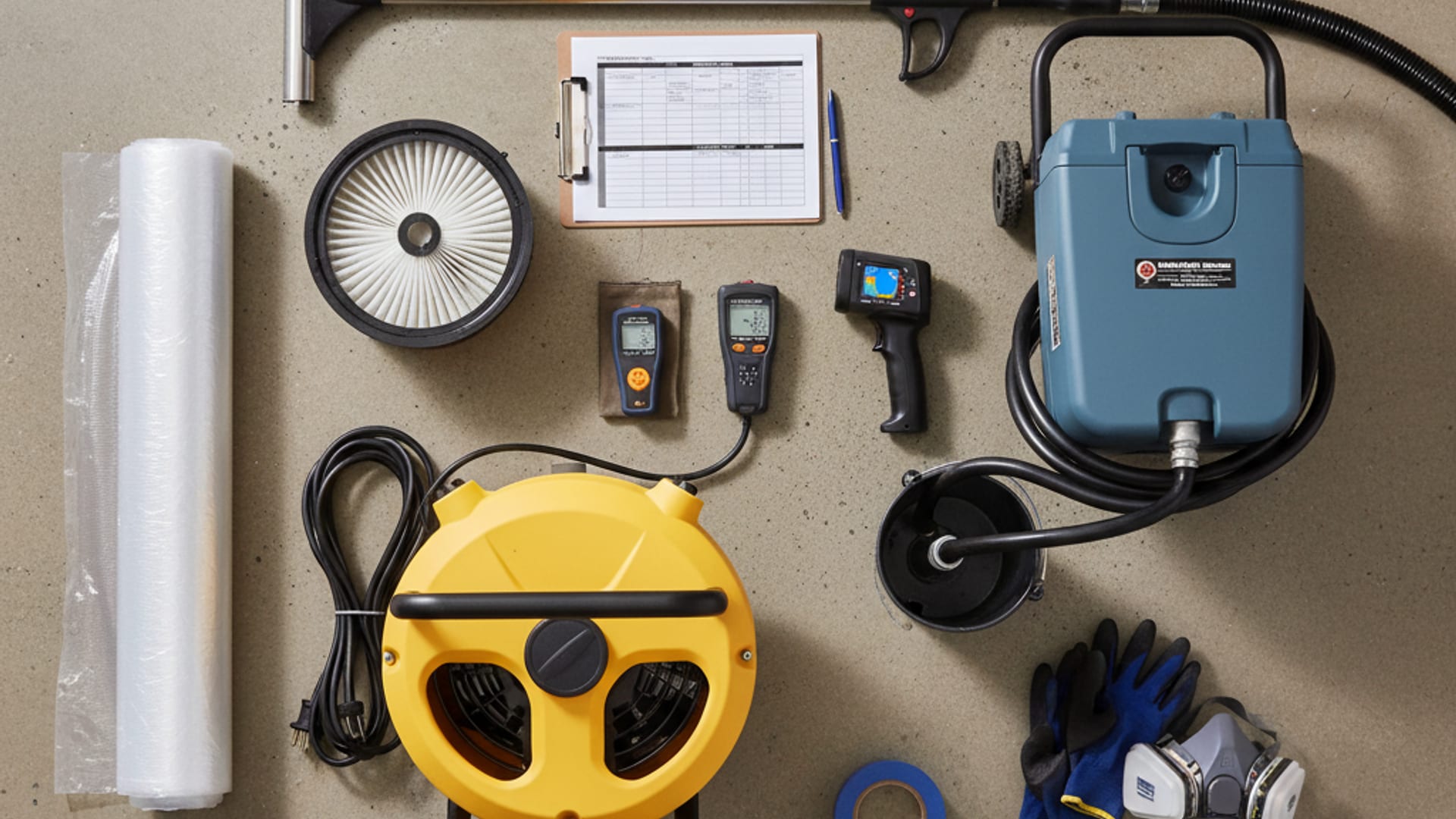
Our water damage restoration services
Water Damage Restoration
A leak, overflow, or flood can leave moisture beyond the water you can see. Start by finding and stopping the source when it is safe, then ask a restoration professional to assess the affected areas.
Learn moreEmergency Water Extraction
Standing water after an overflow or broken supply line can spread into adjacent rooms and beneath flooring. Extraction removes accumulated water; the wet materials left behind may still need evaluation and drying.
Learn moreFlood Damage Cleanup
Water entering from outdoors can carry debris and contaminants into a building. A cleanup plan starts with safe access and understanding where the water came from, not simply removing the visible water.
Learn moreMold Remediation
Visible growth or a persistent damp area calls for attention to the moisture source as well as the affected material. A mold assessment should identify the conditions that need to be corrected before repairs are closed up.
Learn moreSewage Cleanup & Sanitization
A backed-up drain or toilet overflow may expose a room to contaminated water. Keep people and pets out of the affected area and ask for help from a professional experienced with sewage cleanup.
Learn moreStructural Drying
After the water source is stopped and standing water is addressed, wet building materials may need drying and monitoring. The plan depends on the material, the extent of the moisture, and the source of the water.
Learn moreBurst Pipe Cleanup
A broken pipe or supply line can release water into floors, wall cavities, and rooms below. The immediate priorities are safe source control and a clear division between plumbing repair and water damage cleanup.
Learn moreCeiling Water Damage Repair
A ceiling stain, drip, or sag may point to water above the room. The source could be plumbing, an appliance, a roof, or another opening, so the next step is to locate it without placing anyone beneath a compromised ceiling.
Learn moreBasement Flood Cleanup
Water collecting in a basement, lower level, or crawlspace may come from plumbing, surface water, or another source. Understanding how it entered helps determine both cleanup needs and the repair needed to prevent continued water entry.
Learn moreCarpet Water Extraction
A wet carpet can hold water in the carpet, its pad, and the material underneath. The source of the water and the condition of each layer matter when deciding what can be cleaned and dried.
Learn moreStorm Damage Restoration
Wind-driven rain or water entering through a damaged roof, window, or other opening can affect more than the first visible stain. The property needs a safe assessment and a plan to stop further entry before interior repairs.
Learn moreFire and Water Damage Restoration
After a fire, water used to put it out can affect a home and its contents alongside fire and smoke damage. Entry and cleanup should begin only when the responsible authorities say the property is safe.
Learn moreWater damage at your home or business?
Explore the guides and prepare questions for an independent water damage professional.