First hours after water damage
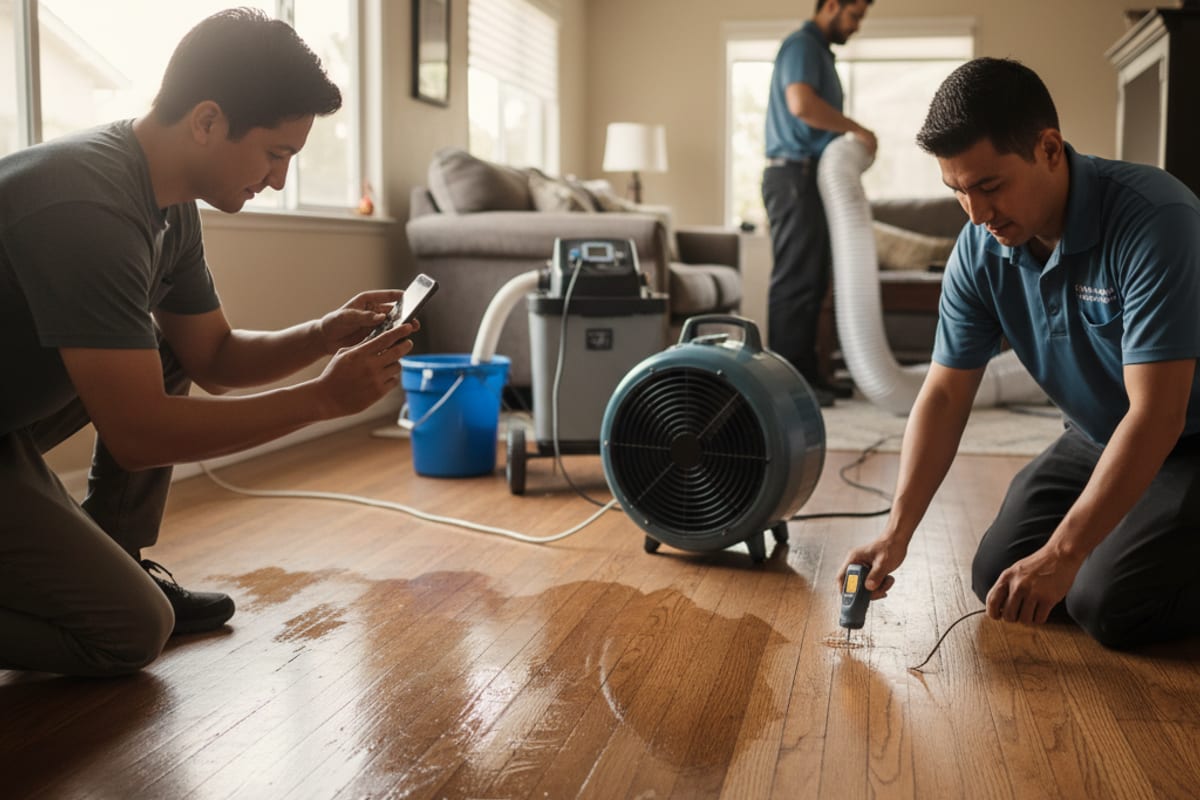
Start by protecting people, stopping the source only if safe, and recording what you can observe without entering a hazardous area.
What you'll learn
- When a shutoff can be reached safely and when to ask for help
- What to document from a safe position for your records
- What to ask about standing water and affected materials
- What not to touch: wet electrical gear, sewage, or a sagging ceiling
Step by step
- Use a shutoff only if you can reach it without entering a hazardous area.
- Do not switch power on or off while standing in water. CDC guidance.
- Photograph affected rooms only when you can do so safely.
- Keep away from sagging ceilings and avoid entering unsafe spaces.
- Ask your insurer about reporting the loss and the terms of your policy.
Safety note
Ask a qualified professional for a written plan for source repair and affected materials.
Rather have a pro handle it?
Call (858) 330-3449 or send the details through the contact form.
More guides
Keep learning.
Safety · Written guide
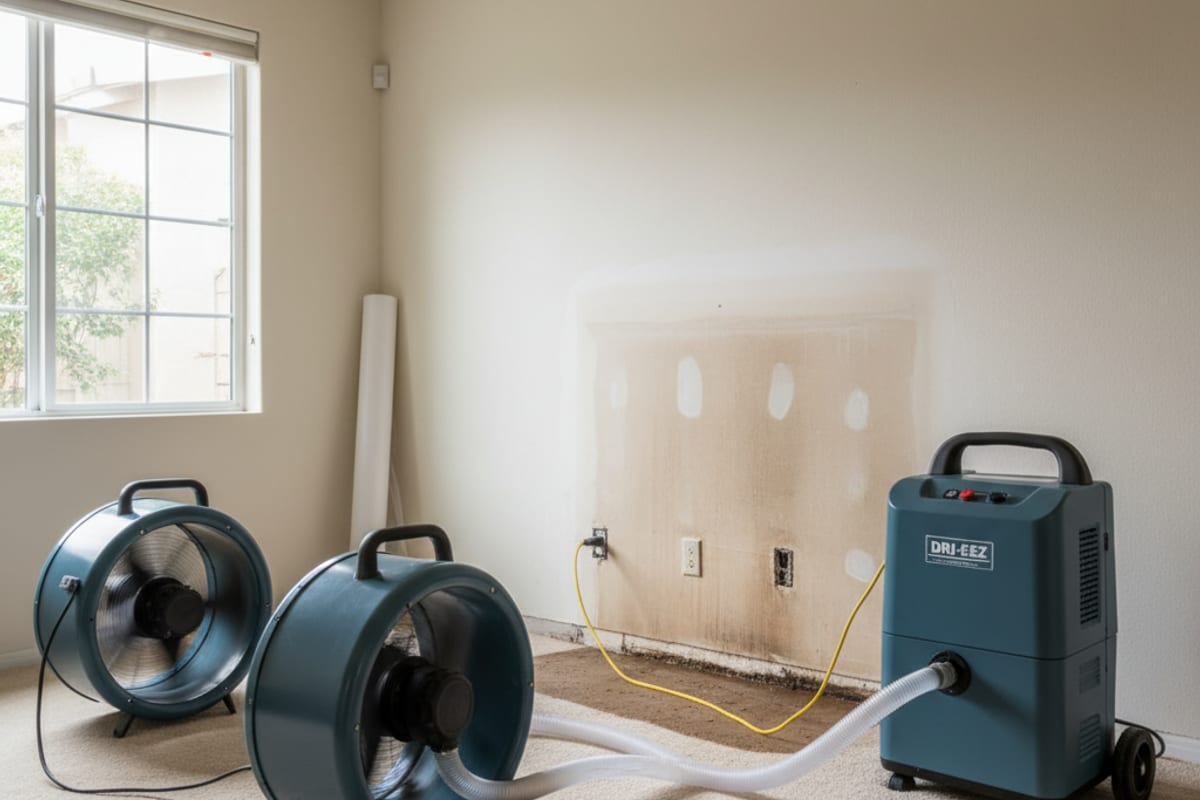
How to prevent mold after a water leak
Fix the source of moisture, arrange prompt drying, and ask a qualified professional how affected materials should be assessed.

Basics · Written guide
How to file a water damage insurance claim
Prepare a safe record of the damage and ask your insurer how your policy and its claims process apply.
Troubleshooting · Written guide
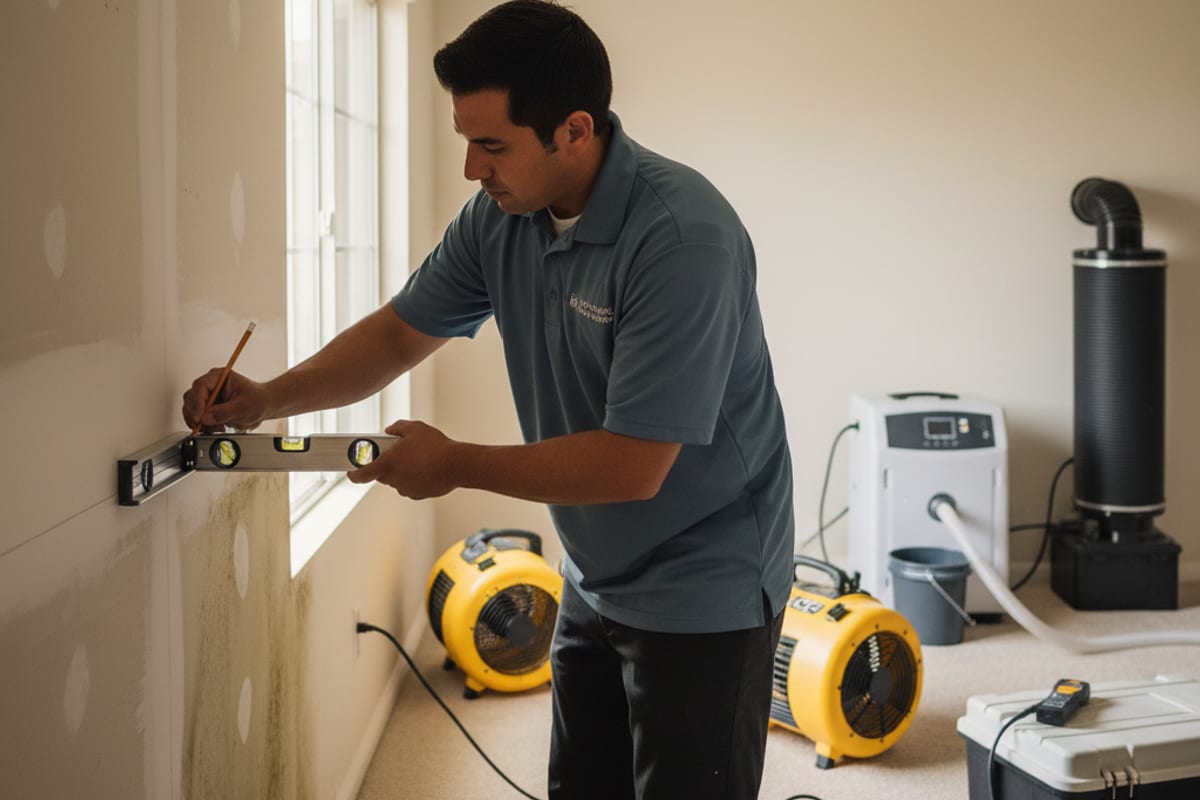
When to replace water-damaged drywall (vs. dry it in place)
The water source, condition of the wall and extent of moisture affect whether drywall can be dried or needs removal.